
Cultural perceptions of gambling How society shapes our understanding of risk and reward
Cultural perceptions of gambling How society shapes our understanding of risk and reward
Understanding the Cultural Context of Gambling
Cultural perceptions of gambling vary significantly across different societies and communities. In some cultures, gambling is viewed as a recreational activity, a way to socialize and engage with others. In others, it carries heavy stigmas, often associated with moral failure or societal decay. These distinctions shape how individuals within these cultures approach risk and reward, often internalizing these beliefs and attitudes from a young age. For instance, in many Western societies, gambling is often romanticized, depicted as an exciting pursuit that can lead to life-changing rewards. Moreover, engaging with platforms like the 1xbet apk can enhance the experience for users looking to explore various game variations.

The historical context of gambling also plays a crucial role in shaping perceptions. Societies with long-standing traditions of gaming, like those in China with their rich history of games like Mahjong, often view gambling as an integral part of cultural expression. In contrast, societies with a recent history of legalized gambling may still grapple with conflicting views, debating its impacts on community health and individual behavior. These historical narratives inform current regulations and societal acceptance, which, in turn, dictate the gambling landscape.
Furthermore, the media portrayal of gambling significantly influences public opinion and cultural attitudes. Films, television shows, and online content often romanticize the high-stakes world of gambling, emphasizing the thrill of risk. This portrayal can create a disconnect between the actual experiences of gamblers and societal expectations. Individuals may be drawn into gambling with the hope of achieving the perceived glamorous lifestyle showcased in media, which can lead to misinformed decisions and an underappreciation of the potential negative consequences.
The Psychology of Risk and Reward
The psychology of gambling involves a complex interplay of risk-taking behavior and reward anticipation. Behavioral economics suggests that individuals often overvalue potential rewards while underestimating risks. This phenomenon can lead to irrational decision-making, where the allure of winning overrides logical considerations about potential losses. For example, individuals may engage in gambling despite knowing the odds are stacked against them, influenced by a belief in luck or fate.
This mindset can be explained further through the concept of cognitive biases, such as the availability heuristic, where people judge the likelihood of events based on recent experiences. If a person hears about a friend winning a large sum, they may overestimate their own chances of winning, fueling continued gambling behavior. This psychological aspect emphasizes how societal narratives about gambling can create unrealistic expectations about risk and reward, encouraging individuals to take on more significant risks than they otherwise would.
Moreover, societal norms regarding risk-taking also play a critical role in shaping perceptions of gambling. In cultures that celebrate risk-taking as a pathway to success, individuals may feel more inclined to gamble, viewing it as a legitimate pursuit. Conversely, in cultures that emphasize caution and saving, gambling may be viewed with skepticism. This societal context informs personal attitudes toward gambling and influences the frequency with which individuals engage in these activities, further embedding the relationship between culture and gambling behavior.
Impact of Legislation on Gambling Perceptions
Legislation surrounding gambling has a profound impact on societal perceptions and attitudes. Countries that adopt more permissive gambling laws often experience a shift in public perception, with gambling increasingly normalized as part of everyday life. This can lead to greater participation rates, as individuals feel less stigmatized by their choices. For instance, the legalization of sports betting in numerous U.S. states has changed the landscape dramatically, leading to increased media coverage and societal acceptance of gambling.
On the other hand, stringent gambling laws can reinforce negative perceptions, portraying gambling as a dangerous vice that leads to addiction and societal harm. In these cases, legislation often reflects deeper societal fears about gambling, which can inhibit individuals from participating even if they might otherwise engage. For instance, restrictive laws may create a black market for gambling, leading to an increase in illegal activities and a further entrenchment of negative perceptions.
This relationship between legislation and cultural perceptions underscores the importance of informed policy-making. Well-designed regulations that balance entertainment with public health considerations can help create a safer gambling environment. When done correctly, legislation can shift societal views, promoting responsible gambling while reducing stigma, thereby fostering a healthier relationship with risk and reward across the community.
Social Influences and Peer Effects on Gambling Behavior
Social influences play a significant role in shaping gambling behavior. Friends and family often serve as a primary source of social norms, where attitudes towards gambling can be positively or negatively reinforced. In communities where gambling is widely accepted, individuals may feel more inclined to participate due to peer pressure or the desire to fit in. Conversely, in communities where gambling is viewed negatively, individuals may shy away from gambling activities, fearing social ostracism.
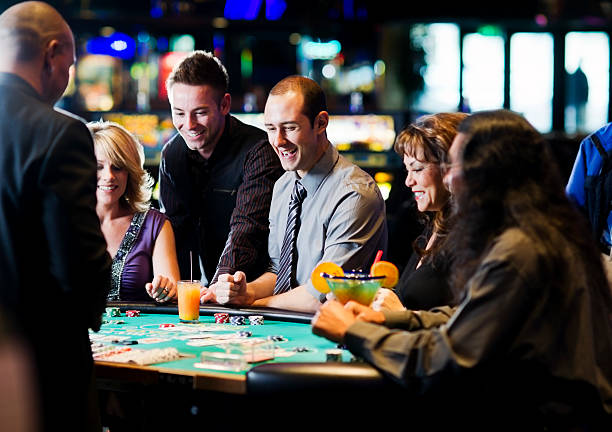
Additionally, the social aspect of gambling can create a sense of community among participants. This communal approach can blur the lines between healthy recreational gambling and problematic gambling behavior. For instance, groups that regularly engage in gambling together may create an environment that normalizes excessive behavior, leading individuals to dismiss the risks associated with their actions. The shared experience can intensify the thrill of gambling, reinforcing risky behaviors that individuals might not engage in alone.
Moreover, the emergence of online gambling has altered the dynamics of social influences. With the rise of digital platforms, individuals can engage in gambling without the immediate oversight of their social circles. This anonymity can sometimes lead to more extreme gambling behavior, as individuals may feel less accountable for their actions. Understanding these social dynamics is essential for addressing gambling addiction and fostering responsible gambling practices within communities.
Exploring Resources and Support for Responsible Gambling
As cultural perceptions of gambling evolve, so too does the need for accessible resources and support systems to promote responsible gambling. Many organizations and initiatives aim to educate individuals about the risks associated with gambling while providing support for those who may struggle with addiction. Educational programs that target youth are particularly important, as they can instill healthier attitudes towards gambling before harmful patterns develop. By equipping individuals with knowledge about odds and risks, societies can foster a more informed approach to gambling.
Additionally, community-based support groups and helplines play a crucial role in providing assistance to individuals affected by gambling addiction. These resources often emphasize a non-judgmental approach, encouraging individuals to seek help without fear of stigma. Successful recovery from gambling addiction often relies on the support of others who understand the struggles involved, highlighting the importance of community in addressing this issue.
As more people engage with online gambling, tailored resources that address the unique challenges of digital platforms are needed. Online educational tools and interactive resources can help users navigate their experiences while promoting safer gambling practices. The responsibility to promote a healthier gambling environment lies not only with individuals but also with communities and regulatory bodies that shape societal views on gambling.